Last Updated: 2026-05-30
Property ownership abroad signals serious intent—to immigration authorities, tax officials, and yourself. But it's among the most misunderstood financial decisions American relocators make, often creating tens of thousands in unexpected compliance costs, visa complications, or exit barriers. Over 40% of Americans exploring relocation abroad ask about overseas property first, yet fewer than 15% understand FIRPTA, FBAR, or local ownership restrictions before making an offer.
The smartest relocators often don't buy property in year one. Here's why immediate ownership can derail visa approval, complicate tax residency, and lock you into a location before you're certain it fits your long-term plans.
Property Ownership Timing and Visa Strategy

Find Your Ideal Country in 2 Minutes
Answer a few questions and get personalized country matches based on your budget, visa eligibility, and lifestyle.
Start the Free Quiz →Property ownership timing directly impacts visa approval and tax residency status. Most Americans assume buying property strengthens their visa application, but this varies dramatically by country and visa type.
When Property Helps Visa Applications
Portugal's D7 visa requires proof of accommodation—rental agreement or property ownership both qualify. Owning property can demonstrate commitment and financial stability to immigration officers. Spain's non-lucrative visa similarly accepts property ownership as accommodation proof, though rental agreements work equally well.
Mexico's temporary resident visa considers property ownership as evidence of ties to Mexico, potentially strengthening applications for those near income thresholds. The country allows foreigners to own property directly in most areas, with fideicomiso (trust) structures required within 50km of coastlines or 100km of borders.
When Property Complicates Visas
Thailand's visa landscape exemplifies how property ownership can mislead applicants. Foreigners cannot own land directly and face severe restrictions on condominium ownership (maximum 49% foreign ownership per building). Americans frequently purchase condominiums assuming this supports visa applications, only to discover that Thailand's retirement visa, tourist visa, and Elite visa programs evaluate financial requirements separately from property ownership.
The Philippines requires foreign property ownership through corporations with specific Filipino citizen ownership ratios (60% Filipino, 40% foreign maximum). Americans buying property through these structures often discover the arrangement provides no visa benefits for the Special Resident Retiree's Visa (SRRV) or other programs.
Ready to understand which visa path makes sense for your timeline? Take our comprehensive relocation quiz to get country-specific recommendations based on your situation. Start the quiz here.
Property Purchase Before vs. After Tax Residency
Buying property before establishing tax residency in your destination country can trigger immediate tax obligations. Purchase a €300,000 apartment in Portugal as a US tax resident, and you're subject to both Portuguese property tax and US FIRPTA reporting requirements from day one.
Establish Portuguese tax residency first (typically after 183 days of residence), and the same property purchase benefits from Portugal's Non-Habitual Resident (NHR) program, potentially reducing tax obligations for ten years. The timing difference can save €15,000–€25,000 annually in tax efficiency.
US Tax Compliance: FIRPTA and FBAR Requirements
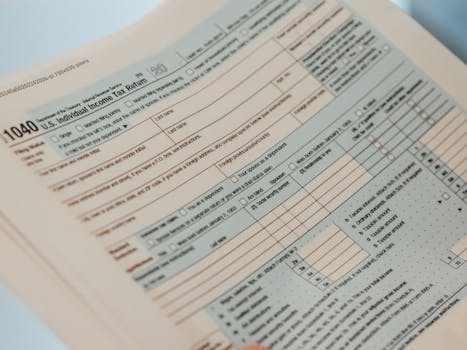
American property owners abroad face dual reporting requirements that create unexpected compliance costs. The Foreign Investment in Real Property Tax Act (FIRPTA) and Foreign Bank Account Report (FBAR) regulations apply regardless of whether you live in the property, rent it out, or leave it vacant.
FBAR Reporting Thresholds and Penalties
Any American with signature authority over foreign financial accounts—including property purchase escrow accounts, rental income accounts, or property management accounts—must file FinCEN Form 114 if the aggregate account balance exceeds $10,000 at any point during the year.
Miss the FBAR deadline, and penalties range from $12,921 for non-willful violations to the greater of $129,210 or 50% of the account balance for willful violations. An American who purchases a €400,000 Spanish apartment, opens a Spanish bank account for the purchase, and forgets FBAR requirements could face penalties exceeding their annual Social Security income.
FIRPTA and Rental Income Complications
Rent out your overseas property, and FIRPTA requires 15% withholding on gross rental income plus potential US tax liability on net income. A €1,000 monthly rental in Lisbon generates €12,000 gross income annually. FIRPTA requires €1,800 in withholding, while US income tax applies to net income after Portuguese expenses and taxes.
The compliance burden typically costs $2,500–$4,000 annually in accounting fees for Americans with overseas rental properties. Many discover these costs exceed rental profits in the first 2–3 years of ownership.
Country-Specific Ownership Structures and Restrictions

Property ownership laws vary dramatically across popular expat destinations. Understanding these restrictions prevents costly mistakes and helps structure ownership for optimal tax treatment.
Portugal: Direct Ownership with EU Benefits
Portugal allows direct foreign property ownership with minimal restrictions. Americans can purchase residential, commercial, or agricultural property in their own names. The country's tax treaty with the US prevents double taxation on capital gains, making Portugal attractive for Americans planning long-term relocation.
Property transfer tax (IMT) ranges from 0% to 8% based on property value and type. Urban properties under €92,407 face 0% transfer tax, while luxury properties above €550,836 face 6% transfer tax plus additional luxury tax. Annual property tax (IMI) typically ranges from 0.3% to 0.45% of property value.
Spain: Regional Variations and Transfer Costs
Spain permits direct foreign ownership but transfer taxes vary by autonomous region. Madrid charges 6% transfer tax on property purchases, while Andalusia charges 8–10%. Valencia applies 10% transfer tax on properties above €400,000.
Spanish inheritance law applies forced heirship rules to Spanish real estate owned by foreign residents. American property owners must leave two-thirds of Spanish property to children or spouses, regardless of their US will provisions. This restriction often surprises Americans planning to leave Spanish property to charities or other beneficiaries.
Mexico: Fideicomiso Structure and Restrictions
Mexico requires foreign property ownership within restricted zones (50km of coastlines, 100km of borders) through fideicomiso trusts administered by Mexican banks. These trusts cost $500–$1,000 annually in administrative fees and require renewal every 50 years.
Americans can own property directly in non-restricted zones or through Mexican corporations (sociedad anónima) with foreign investment permits. Corporate ownership provides estate planning flexibility but requires annual corporate filings and minimum capital requirements of approximately $3,500.
Currency Risk and Financing Considerations

Currency fluctuations and local financing terms significantly impact the total cost of overseas property ownership. Most Americans underestimate these factors when evaluating purchase decisions.
Mortgage Availability and Terms
Portuguese banks offer mortgages to American residents at 70–80% loan-to-value ratios with interest rates ranging from 3.5% to 5.5% for non-residents. Spanish banks typically limit non-resident mortgages to 60–70% loan-to-value with rates 1–2% higher than resident rates.
Thai banks generally don't offer mortgages to foreigners for condominium purchases. Americans must purchase Thai property with cash or arrange financing through specialized international lenders at significantly higher rates.
Mexican banks offer mortgages to foreigners through fideicomiso structures, but peso-denominated loans expose dollar-earning Americans to currency risk. A 15% peso devaluation increases mortgage payments by 15% in dollar terms.
Currency Impact on Purchase Power and Exit Strategy
Americans purchasing European property with dollars face currency exposure throughout ownership. A €300,000 Portuguese apartment cost $330,000 at 1.10 EUR/USD exchange rates in 2022. The same property costs $360,000 at 1.20 EUR/USD rates—a $30,000 difference from currency movement alone.
Exit timing becomes currency-dependent when selling property denominated in foreign currencies. Americans who purchased Spanish property in 2020–2021 face potential currency losses if the euro weakens against the dollar during their ownership period.
Rental Income and Tenant Protections

Overseas rental properties generate income but create additional compliance and operational challenges. Local tenant protection laws often favor tenants more strongly than US regulations.
Spanish Rental Market Complications
Spanish tenant protection laws make evicting non-paying tenants extremely difficult. Standard eviction processes take 18–24 months and cost €8,000–€15,000 in legal fees. Tenants can claim financial hardship to delay evictions further, particularly following economic disruptions.
Spanish rental income faces local income tax rates up to 47% plus US income tax obligations. Americans must report Spanish rental income on both Spanish and US tax returns, with foreign tax credits preventing double taxation but requiring complex calculations.
Portuguese Rental Regulations
Portugal's rental laws provide strong tenant protections but offer more balanced landlord rights than Spain. Eviction processes typically take 6–12 months for cause-based evictions (non-payment, property damage) and 12–18 months for no-cause evictions.
Portuguese rental income benefits from the NHR program for qualifying American tax residents, potentially reducing Portuguese tax rates to 20% on rental income for ten years. Combined with US foreign tax credits, this creates favorable tax treatment for American property investors.
Considering overseas property as part of your relocation strategy? Our Explorer plan provides detailed country-specific property guides, tax implications, and financing options for $5/month. Learn more about our research tools.
Inheritance and Estate Planning Complexity

Overseas property ownership significantly complicates estate planning and inheritance for Americans. Dual tax obligations and conflicting inheritance laws require specialized planning.
Dual Estate Tax Exposure
American estates face US estate tax on worldwide assets above $13.61 million (2026 threshold), including overseas real estate. Additionally, many countries impose local inheritance taxes on real estate within their borders.
Portugal charges inheritance tax rates from 1% to 10% based on heir relationship and property value. Spain applies inheritance tax rates up to 34% in most regions, with some autonomous communities offering favorable treatment for family transfers.
Forced Heirship Laws
Several popular expat destinations maintain forced heirship laws that override US will provisions for local real estate. France requires two-thirds of French property pass to children or surviving spouses. Spain applies similar restrictions in most regions.
Americans can structure property ownership through corporations or trusts to avoid forced heirship rules, but these structures require annual maintenance costs and specialized legal advice. The complexity often exceeds the estate planning benefits for properties under €500,000.
When to Buy vs. When to Rent
The decision between buying and renting overseas property depends on timeline certainty, financial situation, and specific country regulations. Many Americans rush into property purchases without considering alternatives.
Rent-First Strategy Benefits
Renting for 12–24 months allows Americans to test neighborhoods, understand local property markets, and establish tax residency before major financial commitments. Rental costs in many popular expat destinations remain reasonable compared to property purchase prices.
Lisbon rental apartments average €800–€1,200 monthly in central neighborhoods, while purchasing similar properties requires €300,000–€450,000 plus transaction costs. The rent-to-purchase ratio suggests renting provides flexibility without significant financial penalty.
Property Purchase Timeline Indicators
Consider property purchase after establishing tax residency, confirming neighborhood preferences, and securing long-term visa status. Americans with 5+ year residence plans benefit most from property ownership.
Purchase timing should align with optimal tax treatment. Portuguese NHR status, Spanish Beckham Law benefits, or Mexican tax residency establishment can significantly impact property-related tax obligations.
Property ownership makes sense when rental markets offer limited long-term options or when mortgage terms provide leverage benefits. Mexico's mortgage rates for qualified borrowers sometimes make purchasing more attractive than renting equivalent properties.
Conclusion
Property ownership abroad requires careful coordination with visa strategy, tax planning, and long-term residence goals. The most successful American relocators separate property decisions from visa applications, establish tax residency before major purchases, and understand both US and local compliance requirements.
Consider renting initially while researching optimal ownership structures, local market conditions, and tax implications. An hour of specialized consultation costs $300–$500 but prevents $10,000–$50,000 in compliance mistakes or exit complications. Property decisions are permanent, but tax and visa implications vary significantly based on timing and structure.
Frequently Asked Questions
Do I need to buy property to get a visa in Portugal, Spain, or Mexico?
No, property ownership is not required for most popular visa programs. Portugal's D7 visa accepts rental agreements as accommodation proof. Spain's non-lucrative visa similarly accepts rentals. Mexico's temporary resident visa considers income and financial solvency rather than property ownership. Property can strengthen applications but isn't mandatory.
What happens if I buy overseas property but my visa application gets denied?
You'll own property in a country where you cannot legally reside long-term. This complicates property management, rental income collection, and eventual sale. Many countries restrict tourist visa holders to 90–180 days annually, making property oversight difficult. Consider securing visa approval before property purchase to avoid this scenario.
How does overseas property ownership affect my US taxes?
You must report overseas property on various US forms including FBAR (if associated accounts exceed $10,000) and potentially FIRPTA for rental income. Property purchase doesn't change US tax residency, so you'll owe US taxes on worldwide income including rental profits. Compliance costs typically run $2,000–$4,000 annually for rental properties.
Can I get a mortgage as an American to buy property abroad?
Mortgage availability varies by country. Portuguese and Spanish banks offer non-resident mortgages at 60–80% loan-to-value ratios with higher interest rates than residents pay. Mexican banks provide peso mortgages through fideicomiso structures, but currency risk affects dollar-earning Americans. Thai banks rarely offer foreigner mortgages, requiring cash purchases.
Related reading:
- Americans are leaving the US at rates not seen since the Great
- Updated for 2026-05-25: How To Move Out Of America In 2026: 10
- Updated for 2026-04-27: Experience leaving America
Get the weekly expat brief
Country updates, visa changes, and cost-of-living shifts — straight to your inbox.
No spam. Unsubscribe anytime.