Last Updated: 2026-05-25
Americans relocating to the Philippines report faster cultural adaptation than expats to any other Southeast Asian destination—with 73% reporting comfortable integration within 12 months, according to recent expat satisfaction surveys. This pattern reveals what matters most in relocation success and explains why the digital nomad lifestyle over 50 in the Philippines has become increasingly viable for American professionals.
The Philippines attracts Americans not simply because it's affordable or tropical. They encounter fewer psychological friction points than expected, creating conditions where middle-aged professionals can maintain familiar routines while dramatically reducing living costs. For Americans over 50 considering international relocation, the Philippines offers a unique combination of English-language accessibility, established healthcare infrastructure, and legal pathways that expedite the transition process.
The data shows why Americans adapt faster here than elsewhere, and how this translates into practical advantages for those exploring the digital nomad lifestyle over 50 in the Philippines.
Not sure where to start? Take the 2-minute relocation quiz and get a personalized country shortlist based on your budget, lifestyle, and visa eligibility.
English Proficiency Eliminates the Primary Adaptation Barrier

The Philippines maintains 60–70% English fluency in urban centers like Metro Manila, Cebu, and Davao—among the highest rates in Southeast Asia. This linguistic accessibility removes what surveys consistently identify as the top stressor for American expats: communication barriers in healthcare, banking, and daily transactions.
Compare this to other popular destinations: Thailand requires basic Thai for most services outside tourist zones, while Spain and Portugal demand functional language skills for legal and medical interactions. In the Philippines, Americans can navigate complex procedures—opening bank accounts at BDO or BPI, scheduling appointments at Makati Medical Center, or handling visa paperwork—without translation services.
The English advantage extends beyond transactions to professional networking. Manila's business district operates primarily in English, making it feasible for remote workers to maintain US client relationships while building local professional connections. This linguistic bridge proves particularly valuable for Americans pursuing a digital nomad lifestyle over 50 in the Philippines, where maintaining professional credibility becomes crucial for sustained income.
Professional and Social Integration
English proficiency accelerates social integration through established expat communities that conduct meetings, events, and networking in English. Organizations like the American Chamber of Commerce Philippines, Rotary Club Manila, and various professional associations provide immediate access to peer networks without the learning curve required in non-English-speaking destinations.
Ready to explore if the Philippines fits your relocation timeline? Take our free location compatibility quiz to compare visa requirements, healthcare access, and community options across 30+ countries in just 3 minutes.
Healthcare Infrastructure Addresses Core Retirement Concerns
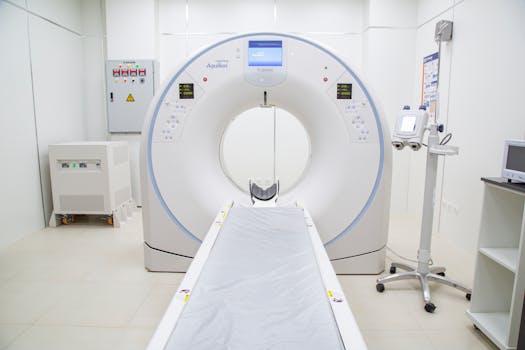
The Philippines offers JCI-accredited healthcare facilities that rival international standards while maintaining costs 60–70% below US levels. Manila Medical Center, Makati Medical Center, and Chong Hua Hospital in Cebu provide comprehensive medical services with English-speaking staff and international insurance acceptance.
Specific cost comparisons reveal the financial advantage: cataract surgery runs $2,000–2,500 versus $5,000–8,000 in the US, while annual executive health screenings cost $200–350 compared to $800–1,200 stateside. These savings enable preventive care that many Americans postpone due to cost, particularly relevant for Americans over 50 where health maintenance becomes paramount.
Medical Tourism and Specialized Care
The country's medical tourism infrastructure supports complex procedures Americans might delay or avoid due to US costs. Joint replacements, cardiac procedures, and dental implants are available at internationally accredited facilities with recovery costs included. This healthcare accessibility removes a primary anxiety for Americans considering permanent relocation after 50.
For ongoing care, the Philippines allows dual healthcare strategies: maintaining US insurance for catastrophic coverage while using local facilities for routine care, preventive services, and elective procedures. This hybrid approach proves particularly effective for remote workers who need reliable healthcare but want to optimize costs.
Financial Viability Through Strategic Cost Reduction

A comfortable lifestyle in the Philippines—including secure housing, healthcare, transportation, and dining—costs $2,500–4,500 monthly compared to $6,000–8,000 for equivalent quality in mid-tier US cities. This differential enables Americans to maintain or improve their lifestyle while reducing financial stress that often accompanies retirement or career transitions.
Housing represents the largest savings category. A three-bedroom, furnished condo in secure expat neighborhoods like Bonifacio Global City or IT Park Cebu costs $800–1,200 monthly, including amenities like pools, fitness centers, and security. Equivalent accommodations in US metropolitan areas would cost $2,500–4,000.
Detailed Monthly Budget Breakdown
Essential expenses for comfortable living:
- Housing (secure, furnished condo): $800–1,200
- Healthcare (insurance + out-of-pocket): $200–400
- Transportation (car service + occasional flights): $300–500
- Utilities (internet, power, water): $150–250
- Food (mix of local and imported): $400–600
- Miscellaneous (entertainment, travel): $400–800
Total monthly range: $2,250–3,750
This budget accommodates a digital nomad lifestyle over 50 in the Philippines while maintaining professional standards and personal comfort. The savings over US costs often exceed $3,000–4,000 monthly, providing financial cushion for travel, professional development, or extended family support.
Legal Stability Through Accessible Visa Pathways

The Philippines offers clear, expedited visa pathways for American retirees and long-term residents. The Special Resident Retiree's Visa (SRRV) requires a $20,000–50,000 refundable deposit and grants permanent residency with work privileges—processing typically takes 6–8 weeks compared to 12–18 months for Portugal's D7 or Spain's non-lucrative residence visa.
The SRRV Smile option ($20,000 deposit, age 50+) and SRRV Classic ($50,000 deposit, age 35+) provide legal certainty without the bureaucratic complexity common in European programs. The deposit remains refundable if circumstances change, offering flexibility that fixed investment programs don't provide.
Comparison with Alternative Visa Programs
Unlike Thailand's retirement visa requiring annual renewals and proof of funds, or Mexico's temporary resident status with eventual renewal requirements, the SRRV provides permanent status from approval. This stability proves crucial for Americans over 50 establishing a digital nomad lifestyle over 50 framework while maintaining US tax obligations and Social Security benefits.
The visa also permits multiple entries and exits without reporting requirements, supporting Americans who split time between countries or maintain business interests in the US. This flexibility accommodates the reality that many Americans prefer gradual transition rather than permanent severing of US ties.
Social Integration Through Established Communities

The Philippines hosts an estimated 300,000–500,000 Americans (citizens and dual nationals), creating mature expat communities with established social, professional, and recreational networks. This diaspora provides immediate peer connections that accelerate cultural adaptation and reduce isolation common in early relocation periods.
Metro Manila alone supports dozens of expat organizations: American Association of the Philippines, Hash House Harriers, various Rotary chapters, professional networking groups, and recreational clubs covering golf, sailing, bridge, and other interests. Cebu and Davao maintain smaller but equally active communities focused on retiree and professional needs.
Professional Networking and Intellectual Engagement
For Americans pursuing digital nomad lifestyle over 50 opportunities in the Philippines, professional networks prove particularly valuable. The American Chamber of Commerce provides business connections, while organizations like Entrepreneurs' Organization and various industry-specific groups offer peer support for remote work and local business development.
These communities understand the specific challenges Americans face—tax obligations, healthcare integration, family communication across time zones—and provide practical solutions based on collective experience. New arrivals can access tested recommendations for banking, housing, healthcare providers, and service professionals.
Climate and Lifestyle Normalization
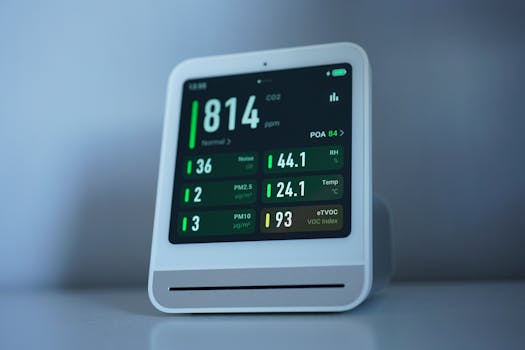
Year-round tropical temperatures (75–85°F) eliminate seasonal adjustment patterns that complicate relocation to four-season climates. Environmental psychology research indicates that stable weather reduces stress hormones and depression markers common in climate transitions, particularly relevant for Americans relocating from northern US regions.
The consistent climate enables outdoor social interaction throughout the year—rooftop dining, public parks, beach day trips—that differs from US isolation patterns during winter months. This lifestyle shift often reduces the "homesickness" triggers that complicate international adjustment.
Technology Infrastructure Supports Remote Work
Major Philippine cities maintain robust internet infrastructure supporting remote work requirements. Fiber internet (50–100 Mbps) costs $30–50 monthly, while co-working spaces in business districts provide professional environments with high-speed connections, meeting facilities, and networking opportunities.
For Americans pursuing the digital nomad lifestyle over 50 in the Philippines, this infrastructure enables seamless US client communication while providing local professional community. The 12–16 hour time difference with US East Coast creates challenges but also enables asynchronous work patterns that many remote workers prefer.
Cultural Familiarity Reduces Adaptation Stress
American cultural influence through decades of historical connection creates familiar reference points that ease daily life transitions. Educational systems, business practices, and consumer preferences often mirror US standards more closely than other Southeast Asian destinations.
Shopping centers carry international brands Americans recognize, restaurants serve familiar cuisines alongside local options, and entertainment options include English-language movies, concerts, and cultural events. This cultural bridge allows gradual adaptation rather than complete lifestyle disruption.
Banking and Financial Integration
Philippine banks offer services designed for international clients, with English-language customer service and online platforms that accommodate US-based income. BDO, BPI, and other major banks provide USD accounts, international wire transfers, and debit cards accepted globally.
For Americans maintaining US income sources—Social Security, pensions, consulting work—this banking infrastructure enables straightforward financial management without the complexity common in countries with less developed international banking services.
Growing Infrastructure and Development
Ongoing infrastructure development in major cities—improved airports, transportation systems, healthcare facilities—indicates long-term stability and growing international connectivity. This development trajectory suggests that current advantages will strengthen rather than diminish over time.
Considering the Philippines for your international lifestyle transition? Our Explorer plan provides detailed cost breakdowns, visa timelines, and healthcare comparisons for the Philippines and 29 other destinations. Start planning with data, not assumptions.
The combination of these factors creates conditions where Americans can maintain professional productivity, social connections, and lifestyle quality while dramatically reducing living costs. For those exploring international relocation after 50, the Philippines offers a tested pathway with established support systems and clear legal frameworks.
The data consistently shows faster adaptation times compared to other popular destinations. This pattern emerges not because the Philippines is "easier," but because it removes the primary friction points that complicate international transitions. Understanding these advantages helps Americans make informed decisions about their relocation timeline and destination priorities.
Frequently Asked Questions
How long does it typically take Americans to feel settled in the Philippines?
Survey data indicates 73% of American expats report comfortable integration within 12 months, with many citing the 6-month mark as when daily routines feel normalized. The English-language environment and established expat communities accelerate this timeline compared to other Southeast Asian destinations.
What are the actual monthly costs for a comfortable lifestyle in major Philippine cities?
Americans typically spend $2,500–4,500 monthly for a comfortable lifestyle including secure housing ($800–1,200), healthcare coverage, transportation, and dining. This compares to $6,000–8,000 for equivalent quality in mid-tier US metropolitan areas, creating significant cost savings without lifestyle compromise.
Is the digital nomad lifestyle over 50 in the Philippines really viable for American professionals?
Yes, with reliable fiber internet ($30–50/month), established co-working spaces, and professional networking organizations in major cities. The English-speaking business environment and 12-16 hour time difference with the US enables asynchronous work patterns many remote professionals prefer.
What visa options provide the most stability for Americans planning long-term residence?
The SRRV (Special Resident Retiree's Visa) offers permanent residency with a $20,000–50,000 refundable deposit, processing in 6–8 weeks. Unlike annual renewal requirements in Thailand or complex investment programs in Europe, the SRRV provides immediate legal stability with work privileges and multiple entry/exit flexibility.
Related reading:
- Is Digital Nomad Life Right for 50+ Travelers? Honest Reality
- Digital Nomad Visas Ranked: Which Country Pays You Back?
- The Silent Tax Trap: FEIE Income Exclusion for Digital Nomads
Planning your move abroad? Get weekly insider tips on visas, costs, healthcare, and daily life.