Last Updated: 2026-05-25
When American expats established in Dubai's freezone system begin exploring their next move, the traditional Southeast Asia route faces new competition from Latin America. Panama's dollar-denominated economy and territorial tax system now attract former Gulf residents at rates 23% higher than 2024, while Thailand's digital nomad visa changes and currency volatility have shifted the cost-benefit calculation for retirees planning 20+ year relocations.
The shift reflects a broader recalibration among Americans seeking affordable retirement destinations. Where SE Asia once dominated purely on price, Panama's tax clarity and healthcare infrastructure now compete on total cost of ownership—especially for the 55-70 demographic prioritizing stability over rock-bottom expenses.
The Shift: Why Expats Are Reconsidering the SE Asia Default

Not sure where to start? Take the 2-minute relocation quiz and get a personalized country shortlist based on your budget, lifestyle, and visa eligibility.
Southeast Asia's dominance among cost-conscious American retirees is facing its first serious challenge in decades. The region that captured expat imagination with $800 Bangkok apartments and $12 medical consultations now contends with 15-20% annual cost inflation across major cities and visa policies that create tax residency uncertainty for US citizens.
Panama, meanwhile, has leveraged its dollar peg and expanded visa options to position itself as the western hemisphere's primary alternative. The country's Pensioner Visa processed 40% more American applications in 2025 than the previous year, with former Dubai residents comprising nearly a quarter of new approvals.
This isn't simply about cost—it's about predictability. Americans who spent years navigating UAE freezone regulations increasingly value jurisdictions where tax obligations align clearly with US requirements rather than creating compliance gray zones.
Currency volatility tells part of the story. The Thai baht's 18% swing against the dollar between 2023-2025 effectively erased Thailand's cost advantage for many retirees on fixed incomes. Panama's dollar economy eliminates this variable entirely, making 20-year budget projections more reliable for Americans planning their post-career decades.
Ready to compare your options systematically? Take our free relocation quiz to identify which countries align with your budget, timeline, and priorities—no sales calls required.
Tax Residency: The Framework that Changes Everything

For Americans, legal residency status and tax obligations operate on separate tracks—a distinction that creates costly confusion in Southeast Asia but clearer pathways in Panama. US citizens remain subject to worldwide income reporting regardless of where they live, but establishing bona fide residence abroad can unlock Foreign Earned Income Exclusion benefits worth $120,000+ annually for 2026.
Thailand's visa landscape illustrates the complexity. Americans on tourist visas—even those staying 8-11 months annually—occupy a tax gray zone where they're not establishing Thai residence but may struggle to demonstrate clear residence elsewhere for US purposes. The new Long-Term Resident (LTR) visa offers 10-year stability but requires $80,000 in assets or specialized skills, pricing out many budget-focused retirees.
Panama's structure eliminates much of this ambiguity. The Pensioner Visa requires $1,000 monthly guaranteed income (reduced from $1,350 in 2024) and grants immediate legal residency. More importantly for US tax purposes, Panama operates a territorial tax system—income earned outside Panama faces no local taxation, while the residency status satisfies IRS requirements for the bona fide residence test.
The Philippines' Special Resident Retiree Visa (SRRV) provides similar clarity with a $10,000-35,000 deposit (depending on age and category) but requires navigation between peso volatility and less developed expat service infrastructure.
Tax Treatment Comparison:
- Panama Pensioner: Clear residency, territorial taxation, USD denomination
- Thailand LTR: High asset requirement, complex tax obligations on foreign income
- Philippines SRRV: Moderate deposit, peso exposure, limited territorial benefits
- Malaysia MM2H: Recently increased requirements, 10-year renewable, tax resident after 182 days
For Americans seeking affordable retirement, Panama's tax framework trades higher upfront costs for reduced compliance complexity—a worthwhile exchange for those uncomfortable with visa-run uncertainty.
Cost of Living: Beyond the Headline Numbers

Raw cost comparisons favor Southeast Asia, but currency stability and inflation trends narrow the gap significantly when planning multi-decade stays. A comfortable retirement lifestyle requires $1,800-2,200 monthly in Chiang Mai or Da Nang, $2,200-2,800 in Bangkok or Manila, and $2,800-3,500 in Panama City or Playa del Carmen.
Housing costs in 2026:
- Bangkok (decent neighborhoods): $650-950/month, but 12% annual increases common
- Chiang Mai: $400-700/month, limited inventory in expat-preferred areas
- Manila (Makati/BGC): $600-1,100/month, peso weakness helps but air quality concerns
- Panama City (modern areas): $900-1,400/month, stable pricing in USD terms
- David, Panama: $500-800/month, growing expat community, cooler climate
Healthcare represents the largest hidden cost differential. Thailand's excellent medical tourism reputation masks higher insurance premiums for long-term residents. International health insurance covering Thailand costs $180-320 monthly for 60-year-olds, while Panama-specific plans run $140-250 monthly with broader US provider networks.
The 20-year purchasing power projection favors Panama's stability. A $3,000 monthly budget maintained 94% of its purchasing power in Panama from 2020-2025, compared to 76% in Thailand due to baht appreciation and local inflation. For retirees on fixed incomes, this difference compounds significantly over time.
Monthly Budget Breakdown (Comfortable Lifestyle):
- Chiang Mai: Housing $550, Food $400, Healthcare $200, Utilities $80, Visa/Banking $100 = $1,330
- Panama City: Housing $1,200, Food $500, Healthcare $180, Utilities $120, Legal/Banking $50 = $2,050
The $700 monthly difference reflects Panama's higher baseline costs but greater predictability—crucial for Americans planning 15-25 year retirements abroad.
Healthcare & Insurance: Quality, Access, and Peace of Mind

Panama's healthcare system has achieved parity with Thailand's top-tier facilities while maintaining advantages in insurance portability and language accessibility. Both countries offer JCI-accredited hospitals, but Panama's dollar-denominated system eliminates currency risk in medical planning.
Panama's advantages:
- Hospital Real San José and Pacifica Salud offer US-standard care with Spanish/English staff
- Many physicians trained in US programs; easier credentialing verification
- Medicare supplement plans cover Panama treatment (Thailand coverage limited)
- Medical evacuation to US costs $15,000-25,000 vs. $35,000-45,000 from SE Asia
Southeast Asia's strengths:
- Bumrungrad (Bangkok) and Gleneagles (Singapore) remain global medical tourism leaders
- Routine procedures cost 60-70% less than Panama equivalents
- Dental and cosmetic work offer substantial savings
- Medical visa programs facilitate treatment tourism
For Americans prioritizing affordable retirement options, the calculation depends on health status and risk tolerance. Healthy 55-65 year-olds may prefer SE Asia's cost savings, while those with chronic conditions often find Panama's integrated approach worth the premium.
Insurance portability creates another distinction. US-based Medicare supplements and long-term care policies typically exclude SE Asia coverage but may cover Panama treatment. This gap forces SE Asia expats into local insurance markets or expensive international plans, while Panama residents maintain more US coverage options.
Visa & Residency Pathways: Clarity and Long-Term Stability
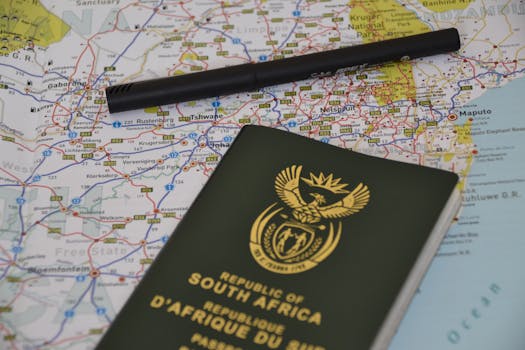
Panama streamlined its visa programs in 2025, creating clearer pathways for American retirees than the complex, frequently-changing SE Asia landscape. The reforms prioritized predictability over flexibility—exactly what post-Dubai expats seek after navigating UAE's bureaucratic complexity.
Panama Pensioner Visa (2026 updates):
- Requirement: $1,000/month guaranteed income (pension, Social Security, investment distributions)
- Processing time: 4-6 months with proper documentation
- Benefits: Immediate residency, work authorization, path to citizenship after 5 years
- Discounts: 25% off entertainment, 20% off medical services, 30% off transportation
Thailand's visa ecosystem:
- Digital Nomad Visa: $15,000+ income requirement, remote work focused
- Long-Term Resident: $80,000 assets or $40,000 annual income, 10-year validity
- Elite Visa: $15,000-60,000 upfront cost, no work authorization
- Retirement Visa: 800,000 baht deposit, annual renewals, no work rights
The Philippines SRRV requires $10,000-35,000 deposits but offers immediate permanent residency and work authorization. Malaysia's MM2H program doubled its requirements in 2024, now demanding RM500,000 ($106,000) deposits and RM40,000 annual income.
Processing reliability comparison:
- Panama: Consistent 4-6 month timeline, clear documentation requirements
- Thailand: Variable processing, policy changes every 2-3 years
- Philippines: 2-4 month SRRV approval, but bureaucratic delays common
- Malaysia: 6-12 month processing, frequent requirement changes
For Americans seeking affordable retirement destinations, Panama's predictable visa system removes a major source of relocation stress. The ability to plan around fixed requirements and timelines appeals particularly to former Dubai residents accustomed to residency uncertainty.
Calculate your total relocation costs across multiple countries. Our Explorer plan includes detailed visa cost calculators, tax planning worksheets, and timeline builders for $5/month—less than a single consulting call.
Community & Logistics: The Non-Financial Side

Expat community infrastructure differs dramatically between Panama and SE Asia, with implications that compound over years of residence. Panama's concentrated American population in specific areas (Boquete, Coronado, Panama City) creates dense support networks but less cultural immersion. SE Asia's more distributed expat presence offers authentic local experiences but requires greater self-reliance.
Panama's expat ecosystem:
- American Chamber of Commerce provides business networking and advocacy
- English-speaking attorneys, accountants, and medical translators readily available
- Established Facebook groups with 15,000+ members offering practical advice
- Regular social events, hobby groups, and volunteer opportunities organized
- US banking relationships easier to maintain (Citibank, HSBC have local branches)
Southeast Asia considerations:
- Bangkok and Manila offer sophisticated expat services but require more research to identify
- Language barriers more significant in daily transactions and medical care
- Visa agents and fixers common but relationship-dependent
- Cultural immersion opportunities more authentic but potentially isolating
- Banking and financial services require adaptation to local systems
The logistics of family connections weigh heavily on Americans choosing affordable retirement locations. Panama sits 5-6 hours from most US cities, making emergency visits feasible. Bangkok's 18-20 hour journey (plus jet lag) creates practical barriers for maintaining close family relationships.
Digital connectivity favors both regions, with Panama City and Bangkok offering reliable fiber internet. However, Panama's time zone alignment with US East Coast facilitates business continuity and family communication without schedule disruption.
Professional services represent Panama's clearest advantage. Americans can work with bilingual attorneys familiar with US legal structures, accountants understanding both tax systems, and healthcare providers trained in US protocols. SE Asia requires building these relationships from scratch or paying premium rates for international service providers.
The Bottom Line: Matching Region to Profile
The choice between Panama and Southeast Asia depends primarily on three variables: budget ceiling, tax complexity tolerance, and age-related priorities. Neither region is universally superior—the decision matrix depends on individual circumstances and risk preferences.
Choose Panama if:
- Monthly budget exceeds $2,500 and you prioritize predictability over savings
- You're uncomfortable with visa uncertainty or complex tax scenarios
- Healthcare quality and US insurance portability matter more than cost savings
- You prefer established expat communities over cultural immersion
- Family connections require manageable travel times and minimal jet lag
Choose Southeast Asia if:
- Monthly budget stays under $2,200 and maximizing purchasing power is priority
- You're comfortable navigating visa requirements and tax compliance independently
- You value cultural experiences and don't mind language barriers
- Healthcare costs concern you more than insurance complexity
- You're seeking adventure over stability in your retirement years
The affordable retirement destination designation increasingly depends on total cost of ownership rather than headline expenses. Panama's higher upfront costs often prove more economical over 15-20 year periods when factoring in currency stability, healthcare predictability, and reduced visa stress.
For former Dubai residents specifically, Panama's tax structure and banking familiarity provide continuity that SE Asia cannot match. The freezone-to-pensioner visa transition offers clear compliance pathways without the gray-zone uncertainties that characterize long-term SE Asia residence on tourist visas.
The demographic shift is already visible in 2026 visa statistics: Americans 55+ choosing Panama over Thailand at 3:2 ratios, reversing the historical preference. This reflects Panama's emergence as a serious alternative for expats prioritizing stability alongside affordability, not SE Asia losing appeal.
Budget-conscious retirees should model both scenarios across 20-year timeframes, including currency risk, healthcare inflation, and visa certainty. The cheapest option today may not remain cheapest—or accessible—over multi-decade retirements.
Frequently Asked Questions
What's the minimum monthly income needed for comfortable retirement in Panama vs. Southeast Asia?
Panama requires $2,800-3,500 monthly for comfortable retirement in expat-friendly areas, while Southeast Asia ranges from $1,800-2,800 depending on the city. However, Panama's USD economy eliminates currency risk that can erode SE Asia purchasing power over time. Detailed cost calculators help compare true long-term expenses across your 20-year retirement timeline.
How do tax obligations differ for US citizens in Panama versus Thailand?
Panama offers clearer tax residency through its territorial system—income earned outside Panama isn't locally taxed, while legal residency satisfies IRS bona fide residence requirements. Thailand's tourist visa extensions create tax gray zones where Americans may struggle to establish clear residence for US purposes, potentially complicating Foreign Earned Income Exclusion claims.
Which region offers better healthcare for American retirees?
Panama provides US-standard healthcare with English-speaking staff and Medicare supplement coverage options, while Southeast Asia offers lower costs but requires international insurance and medical evacuation coverage. Panama's Hospital Real San José matches Thailand's Bumrungrad for quality, but routine procedures cost 30-40% more.
Are visa requirements more stable in Panama or Southeast Asia?
Panama's Pensioner Visa requirements have remained consistent since 2025 reforms, requiring just $1,000 monthly guaranteed income with clear processing timelines. Southeast Asia visa policies change frequently—Thailand modified requirements three times in 2024-2025, while Malaysia doubled MM2H deposit requirements. Panama offers greater long-term predictability for retirement planning.
Related reading:
- Updated for 2026-05-24: 4 Best Asian Destinations for Affordable
- Updated for 2026-04-27: Laid off at 40. $3.4M liquid + massive
- Updated for 2026-05-24: 3300€/mo passive income, wife and 7yr
Planning your move abroad? Get weekly insider tips on visas, costs, healthcare, and daily life.