Last Updated: 2026-05-27
Romania and Bulgaria now compete with Portugal and Mexico on cost-of-living indexes, but with significantly lower visa barriers and faster residency timelines. This reshapes where Americans in their 50s and 60s can retire on $2,000 per month. A 2026 analysis of American relocation searches ranks Romania and Bulgaria among the top 10 destinations globally, ahead of established favorites like Costa Rica, yet most U.S. coverage treats them as secondary options.
The traditional narrative of American retirees flocking to beach destinations or Western European capitals misses a quieter shift: middle-income Americans aged 45–70 are choosing Eastern Europe for stable healthcare, EU proximity, and significantly reduced bureaucratic friction compared to traditionally popular destinations. This marks a change from pre-2024 migration patterns, when Americans primarily cited ideological or lifestyle reasons for relocating abroad.
What Changed in 2026: Policy Updates That Matter

Not sure where to start? Take the 2-minute relocation quiz and get a personalized country shortlist based on your budget, lifestyle, and visa eligibility.
Three significant policy shifts in 2026 have altered the landscape for American relocations to Eastern Europe and competitive destinations.
Bulgaria's Residence Permit Streamlining: As of January 2026, Bulgaria eliminated the requirement for proof of local employment or business investment for Americans seeking long-term residence permits. The new pathway allows demonstration of passive income (€600 monthly minimum) or remote work contracts, reducing processing time from 8-12 months to 3-4 months.
Romania's D-Visa Flexibility: Romania expanded its D-visa categories in March 2026 to include a "digital professional" classification, allowing Americans to enter on a long-stay visa and convert to temporary residence without leaving the country. This eliminated the previous requirement to return to the US for residency applications.
Tax Treaty Updates: Both countries implemented updated tax treaties with the US in late 2025, clarifying treatment of Social Security benefits and reducing withholding rates on investment income for American residents. This directly impacts retirees living on fixed incomes in these destinations.
Ready to explore your relocation timeline? Take our free relocation quiz to discover which countries align with your budget, visa eligibility, and lifestyle preferences in under 5 minutes.
The Emerging Trend: Why Eastern Europe Competes with Traditional Destinations

Monthly living costs in Bucharest average $1,400–1,800 for a comfortable lifestyle, compared to $1,600–2,200 in Lisbon and $1,200–1,600 in Mexico City. Sofia runs even lower, with quality apartments available for €400–600 monthly and comprehensive healthcare coverage under €100.
Healthcare access represents the strongest advantage over traditional low-cost destinations. Both Romania and Bulgaria maintain EU-standard medical infrastructure with significantly lower costs than Western Europe. Hip replacement surgery costs €3,000–4,500 in Bucharest versus €15,000–20,000 in Germany, while routine cardiac screening runs €150–250 compared to $1,500–3,000 in the US.
Climate and Geographic Considerations
Eastern Europe offers four distinct seasons and continental climate patterns. Sofia experiences winter temperatures of 25–40°F with occasional snow, while Bucharest runs slightly milder at 30–45°F. Summer temperatures reach 75–85°F in both cities—comfortable for Americans from northern states but potentially challenging for those seeking year-round warmth.
The geographic advantage lies in EU access: residence in either country provides visa-free travel throughout the Schengen Zone, opening France, Italy, Spain, and 23 other countries for extended visits or seasonal living arrangements.
Cost of Living Breakdown: Real Numbers from American Expats

Here are realistic monthly costs for different lifestyle levels based on documented budgets from Americans currently living in these destinations.
Sofia, Bulgaria: Comfortable Retirement Budget
Housing: €450–650 (1-bedroom central apartment, €600–850 for 2-bedroom) Utilities: €80–120 (heating, electricity, internet, cable) Healthcare: €60–90 (private insurance supplement to state coverage) Groceries: €250–350 (Western brands available, local produce very affordable) Dining: €150–250 (restaurant meals €8–15, coffee €1.50–3) Transportation: €30–50 (excellent public transit, taxi supplement) Miscellaneous: €100–150 (entertainment, personal items, travel)
Monthly Total: €1,120–1,465 ($1,200–1,575)
Bucharest, Romania: Professional Remote Worker Budget
Housing: €600–900 (modern 1-bedroom, €800–1,200 for premium locations) Utilities: €100–150 (slightly higher than Sofia due to size) Healthcare: €80–120 (comprehensive private coverage) Groceries: €300–400 (similar variety to Sofia, slightly higher costs) Dining: €200–300 (more dining options, international cuisine) Transportation: €40–60 (metro system plus occasional rideshare) Miscellaneous: €150–200 (cultural activities, weekend trips)
Monthly Total: €1,370–1,930 ($1,470–2,075)
These budgets assume moderate Western comfort levels: private healthcare, occasional dining out, and central location preferences. Americans willing to live more locally can reduce costs by 25–30%.
Visa Pathways and Residency: What Americans Need to Know

Romania: The Flexible Approach
Americans can enter Romania visa-free for 90 days within any 180-day period. For longer stays, the D-visa system offers multiple pathways.
D-visa for Retirees: Requires proof of €2,000 monthly income (Social Security qualifies), clean criminal background check, and health insurance. Processing takes 30–45 days at Romanian consulates in the US.
Temporary Residence Permit: Available after one year on D-visa, requires proof of accommodation and continued income. Leads to permanent residence after 5 years.
Timeline: 6 months preparation → D-visa application → 30-60 days processing → entry and residence permit conversion.
Bulgaria: The Direct Route
Bulgaria offers a more straightforward permanent residence pathway for Americans who can demonstrate financial stability.
Type D Visa: Similar to Romania but with stricter income requirements (€600 monthly minimum, though €1,000+ recommended for approval).
Permanent Residence: Available immediately upon entry for qualifying applicants, rather than requiring temporary status first.
EU Citizenship Path: Bulgarian citizenship possible after 5 years of permanent residence, compared to Romania's 8-year requirement.
Timeline: 3 months preparation → application → 60-90 days processing → direct permanent residence.
Tax Implications for US Citizens
Both destinations offer favorable tax treatment for American retirees, though careful planning remains essential.
Social Security: Fully exempt from local taxation in both countries under current tax treaties.
Investment Income: Subject to local taxation but with US tax credit benefits. Romania taxes capital gains at 10%, Bulgaria at 10% for most investments.
FEIE Benefits: Americans earning under $126,500 annually can exclude foreign earned income from US taxation while benefiting from much lower local tax rates (Romania: 10% flat tax, Bulgaria: 10% flat tax).
Healthcare Systems: EU Standards at Emerging Market Prices
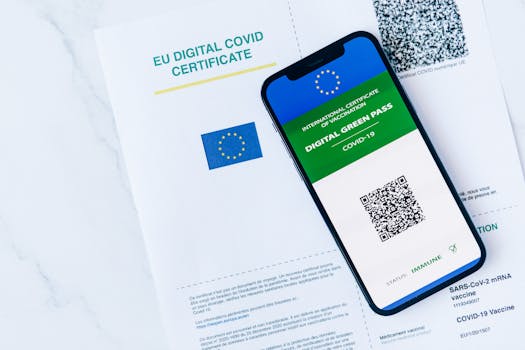
Healthcare represents a primary advantage of Romania and Bulgaria over traditional low-cost destinations in Latin America or Asia. Both countries maintain modern medical infrastructure with English-speaking specialists in major cities.
Romanian Healthcare
Public System: CNAS provides basic coverage for residents. Americans can access emergency care, though routine services require private insurance or cash payment.
Private Options: Regina Maria and Medicover offer comprehensive plans for €60–100 monthly, covering specialists, diagnostics, and prescription medications. Major hospitals include Sanador and Floreasca Emergency Hospital in Bucharest.
Specialization: Strong in cardiac care, orthopedics, and preventive medicine. Many Romanian doctors trained in Western Europe or the US.
Bulgarian Healthcare
Public Coverage: More accessible than Romania's system, with better integration for foreign residents holding permanent residence status.
Private Networks: DCC and Tokuda Hospital Group provide premium care with international accreditation. Monthly insurance costs €50–80 for comprehensive coverage.
Medical Tourism: Sofia has become a regional hub for dental work, cosmetic procedures, and routine surgeries at 60–70% lower costs than Western Europe.
Prescription Medications
Both countries provide access to European-approved medications at significantly reduced costs. Common prescriptions cost 40–60% less than US prices, even without insurance coverage.
Language and Cultural Integration

English proficiency varies significantly by generation and location in both countries. Urban professionals under 40 often speak conversational English, while older populations and rural areas require Romanian or Bulgarian language skills.
Learning Curve Reality
Romanian: A Romance language with familiar vocabulary roots for English speakers, though complex grammar. Basic conversational ability is achievable in 6–12 months with consistent study.
Bulgarian: Slavic language using Cyrillic alphabet. More challenging for English speakers, typically requiring 12–18 months for basic conversation.
Practical Solutions: Both Bucharest and Sofia have English-speaking medical practices, international grocery options, and expat communities providing support networks. Long-term comfort requires some local language development.
Planning your move? Explore our Explorer plan for $5/month to access detailed country guides, visa timeline calculators, and tax planning resources for 30+ destinations.
Community and Social Infrastructure
The expat community size in Eastern Europe remains smaller than established destinations like Portugal or Mexico, creating both challenges and opportunities.
Bucharest Expat Scene
Size: Estimated 8,000–12,000 Western expats, primarily EU professionals and American retirees Meetups: Active Facebook groups (Bucharest Expats, Americans in Romania) and monthly social gatherings Infrastructure: International schools, English-language cultural events, and Western-style amenities in central districts Challenges: Smaller community means fewer immediate connections but stronger bonds among existing members
Sofia Social Networks
Size: 5,000–8,000 Western expats, growing 15–20% annually Activities: Hiking clubs, wine tasting groups, and business networking through Sofia International Business Association Cultural Integration: Bulgarians generally welcoming but reserved initially; patience required for deeper local friendships English Services: Growing availability of English-speaking professionals (doctors, accountants, legal services)
Comparing Eastern Europe to Established Destinations
Here's how Romania and Bulgaria compare against proven alternatives.
Versus Portugal
Advantages: 40% lower housing costs, faster residency processing, lower bureaucracy Disadvantages: Harsher winters, smaller English-speaking community, more complex banking for Americans
Versus Mexico
Advantages: EU travel access, higher healthcare standards, more stable political environment Disadvantages: Higher language barrier, less established expat infrastructure, limited beach and tropical lifestyle
Versus Thailand
Advantages: Easier long-term visas, lower visa run requirements, more familiar cultural frameworks for Americans Disadvantages: Limited seasonal weather variety, smaller expat communities, less developed remote work infrastructure
Versus Costa Rica
Advantages: Lower overall costs, better healthcare value, EU proximity for travel Disadvantages: Less tropical climate, more bureaucratic processes, smaller English-speaking services
Making the Decision: Is Eastern Europe Right for You?
Romania and Bulgaria work best for Americans who prioritize financial efficiency, healthcare access, and European cultural experiences over beach retirement or large expat communities. The ideal candidate:
Financial Profile: Living comfortably on $1,500–2,500 monthly, values healthcare cost savings, appreciates lower housing costs Lifestyle Preferences: Enjoys urban environments, seasonal weather changes, cultural exploration over resort-style living Practical Considerations: Willing to learn basic local language, comfortable with smaller expat communities, appreciates visa simplicity over tropical paradise
These destinations represent serious alternatives rather than exotic adventures. They appeal to Americans seeking practical solutions to retirement funding challenges rather than lifestyle fantasies.
The decision ultimately depends on personal priorities. Romania and Bulgaria offer exceptional value and EU integration benefits, while traditional destinations provide larger communities and established infrastructure. Neither choice is superior—they serve different retirement and relocation strategies.
For Americans researching cost-effective countries with reasonable visa requirements and quality healthcare, Romania and Bulgaria deserve serious consideration alongside more publicized alternatives. The combination of EU membership, affordable living costs, and simplified residency pathways creates compelling opportunities for informed relocators.
Frequently Asked Questions
Can Americans collect Social Security while living in Romania or Bulgaria?
Yes, Social Security payments continue to Americans living in both Romania and Bulgaria through direct deposit or international transfer. Both countries have agreements with the US that protect Social Security benefits, and payments are not subject to local taxation under current tax treaties.
How long does it take to get permanent residence in these countries?
Bulgaria offers immediate permanent residence for qualifying Americans, typically processed within 60-90 days. Romania requires a temporary residence permit first, leading to permanent residence after 5 years of continuous legal residence. Expat Countdown provides detailed timeline calculators for both pathways.
What happens if I need emergency medical care as an American tourist?
Both countries provide emergency medical care to tourists, though costs apply. Travel insurance covers most emergency situations. Romania charges approximately €50-100 for emergency room visits, while Bulgaria runs €40-80. Both countries have English-speaking emergency medical staff in major cities.
Do I need to speak Romanian or Bulgarian to live there comfortably?
Basic daily life is possible with English in Bucharest and Sofia, especially in international districts and with younger professionals. However, long-term comfort requires learning local language basics for banking, healthcare, government services, and deeper community integration. Most successful American expats invest 6-12 months in language learning.
Related reading:
- Updated for 2026-05-24: 4 Best Asian Destinations for Affordable
- Updated for 2026-05-24: FIRE in Dubai on AED 1.5M ($410K USD):
- Updated for 2026-05-24: [IwantOut] 43M Canada -> Spain
Planning your move abroad? Get weekly insider tips on visas, costs, healthcare, and daily life.