Last Updated: 2026-05-27
Single mothers managing childcare costs in the US spend an average of $15,000–$25,000 annually. In Portugal, Thailand, and Mexico, quality childcare drops to $300–$600 per month, fundamentally changing the financial equation for families operating on a single income. This is about finding countries where one parent can provide both financial stability and active parenting.
The mathematics of single parenthood abroad differ significantly from the typical expat experience. While couples can split costs and retirees focus purely on lifestyle optimization, single mothers need countries that offer legal clarity, established family support systems, and genuine cost advantages in childcare, healthcare, and housing.
After analyzing visa frameworks, custody law implications, and real costs reported by single mothers living in 30+ countries, six destinations consistently provide the infrastructure, affordability, and community support that make international relocation viable for American single parents.
Not sure where to start? Take the 2-minute relocation quiz and get a personalized country shortlist based on your budget, lifestyle, and visa eligibility.
Legal Framework: Custody and Visa Stability

The first consideration for any single mother considering relocation isn't cost of living—it's legal security. Countries fall into three categories regarding custody law and child welfare protections.
Hague Convention Countries with Strong US Relations
Portugal, Spain, Mexico, and Costa Rica are all Hague Convention signatories with established bilateral custody agreements with the United States. This means if custody disputes arise, there are clear legal frameworks for resolution that both countries recognize. Portugal's D7 visa allows single mothers with passive income (including child support payments) to establish legal residency, creating a stable foundation for custody arrangements.
In practice, courts in both countries honor custody decisions made in either jurisdiction. A single mother who establishes Portuguese residency through the D7 visa can provide documentation to US family courts showing stable housing, healthcare access, and educational arrangements for children.
Countries with Limited Custody Treaties
Thailand, the Philippines, and Bulgaria operate in a grey area regarding US custody enforcement. This can actually provide advantages for mothers who have primary custody and want to reduce interference from non-custodial parents who might use international relocation as grounds for custody modification.
Thailand's Digital Nomad Tax Visa (DTV) provides 180-day stays renewable for up to 5 years, giving families time to establish routines and evaluate permanent options. The Philippines offers immediate visa-free entry for 30 days, extendable to one year, making it accessible for mothers testing international living before committing to residency programs.
Visa Types That Support Families
The most stable visa options for single mothers include Portugal's D7 (passive income of €865/month covers a family), Spain's Digital Nomad Visa (€2,300/month income requirement), Mexico's Temporary Resident Visa (approximately $2,700/month income requirement), and Costa Rica's Rentista program ($2,500/month passive income). These programs explicitly accommodate dependents and provide pathways to permanent residency.
Ready to explore your visa options? Take our free relocation quiz to identify which visa programs match your income, timeline, and family situation. Get personalized recommendations in under 5 minutes.
Cost Breakdown: Single-Mother Households by Country

The financial reality of raising children abroad varies dramatically by location, but consistent patterns emerge when comparing childcare, housing, and healthcare costs.
Portugal: European Stability with Mediterranean Costs
Monthly costs for single mother + 1 school-age child:
- Childcare/After-school: €300–€500 ($325–$540)
- 2-bedroom apartment (Lisbon suburbs): €1,200–€1,600 ($1,300–$1,730)
- Health insurance (private): €150–€200 ($160–$215)
- International school (optional): €600–€1,200 ($650–$1,300)
- Total monthly: €2,250–€3,500 ($2,430–$3,785)
Portugal's public healthcare system covers residents after establishing legal residency through the D7 visa. Public schools are available in Portuguese, while international schools in Lisbon, Porto, and the Algarve provide English-language education. The Lisboa Expat Parent Groups on Facebook connect over 2,400 English-speaking parents, offering support for pediatrician recommendations to nanny-sharing arrangements.
Mexico: Proximity and Established Expat Infrastructure
Monthly costs for single mother + 1 child in Playa del Carmen/Puerto Vallarta:
- Childcare/After-school: $400–$600 USD
- 2-bedroom apartment: $800–$1,200 USD
- Health insurance: $200–$300 USD
- Private school (bilingual): $300–$600 USD
- Total monthly: $1,700–$2,700 USD
Mexico's proximity to the US makes it practical for maintaining family connections and handling custody-related legal requirements. The country's Temporary Resident Visa allows four-year renewable stays with the option to convert to permanent residency. Cities like Puerto Vallarta and Playa del Carmen have established English-speaking school systems and pediatric care specifically serving American expat families.
Thailand: Lowest Absolute Costs with Visa Limitations
Monthly costs for single mother + 1 child in Chiang Mai:
- Childcare/After-school: $200–$400 USD
- 2-bedroom condo: $500–$800 USD
- Health insurance: $100–$200 USD
- International school: $800–$1,500 USD
- Total monthly: $1,600–$2,900 USD
Thailand offers the lowest absolute costs among developed countries suitable for families, but visa options remain complex. The DTV visa provides longer stays but requires leaving every 180 days. For families seeking permanent solutions, Thailand works best as a 1–2 year experience while establishing residency elsewhere, or for mothers with location-independent income who can manage visa runs.
The Chiang Mai International School community and Expat Women Thailand networks provide substantial support for single mothers, including shared nanny arrangements and co-living situations that reduce housing costs further.
Costa Rica: Political Stability and Regional Healthcare Hub
Monthly costs for single mother + 1 child in Escazú/Santa Ana:
- Childcare/After-school: $300–$500 USD
- 2-bedroom apartment: $900–$1,400 USD
- Health insurance: $250–$400 USD
- Private school (bilingual): $500–$900 USD
- Total monthly: $1,950–$3,200 USD
Costa Rica's combination of political stability, high-quality healthcare system, and established American expat communities makes it particularly suitable for single mothers prioritizing security and educational quality. The country's Rentista program provides straightforward residency for individuals with $2,500/month passive income, and the healthcare system regularly ranks among the world's top 20.
Healthcare Infrastructure for Expat Families
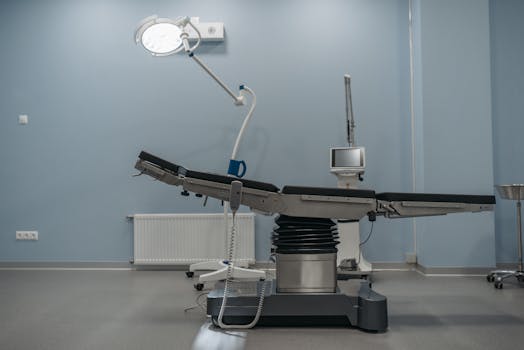
Healthcare access represents a non-negotiable requirement for families with children, making it essential to understand both emergency and routine care availability.
Countries with Universal Healthcare Access
Portugal and Costa Rica both provide universal healthcare access to legal residents. In Portugal, the Serviço Nacional de Saúde (SNS) covers pediatric care, vaccinations, and emergency treatment after establishing residency. Costa Rica's Caja system provides similar coverage, with many doctors trained in the US or Europe.
Both systems allow private healthcare supplementation. In Portugal, private health insurance costs €150–€200 monthly for a family, providing faster specialist access and English-language care. Costa Rica's private system, centered around Hospital Cima and Hospital La Católica, offers US-standard care at approximately 60% of US costs.
Private Healthcare Dependencies
Thailand, Mexico, and the Philippines require private health insurance for comprehensive family coverage. Thailand's private hospital system, particularly in Bangkok (Bumrungrad, Bangkok Hospital) and Chiang Mai (Chiang Mai Ram, Bangkok Hospital Chiang Mai), provides excellent care but requires insurance or direct payment.
Mexico's healthcare varies significantly by location. Border cities and major expat destinations like Puerto Vallarta, Playa del Carmen, and Mexico City offer excellent private care through networks like Hospital Ángeles and Christus Muguerza. Rural areas require more careful planning for pediatric specialists.
The Philippines concentrates quality healthcare in Manila (The Medical City, St. Luke's Medical Center) and Cebu (Chong Hua Hospital, Cebu Doctors' University Hospital). Single mothers choosing smaller cities like Dumaguete or Iloilo should budget for occasional travel to major medical centers for specialist care.
Community Networks and Practical Support

The difference between surviving and thriving as a single mother abroad often comes down to community infrastructure, not just expat social groups but practical support networks that function as extended family.
Established Single-Mother Communities
Lisbon's expat parent network extends beyond Facebook groups to include organized childcare cooperatives, weekend activity groups, and emergency support networks. The Lisboa Moms group organizes everything from museum visits to babysitter recommendations, functioning as practical infrastructure.
Chiang Mai's expat mother community includes formal co-living arrangements where single mothers share larger houses, splitting costs and providing mutual childcare support. The Moms in Thailand network, active across Bangkok, Chiang Mai, and Phuket, maintains shared resources including vetted nanny lists, pediatrician reviews, and school comparison databases.
Childcare Arrangements and Safety Nets
Mexico's established expat communities in Puerto Vallarta, Playa del Carmen, and San Miguel de Allende offer nanny-sharing arrangements and emergency childcare networks developed over decades of American families living in these areas. The Puerto Vallarta International Friendship Club and similar organizations provide practical support including temporary housing during emergencies and group negotiations for children's activities and summer camps.
Costa Rica's expat communities in Escazú, Santa Ana, and Manuel Antonio maintain similar support structures, with the added benefit of proximity to American-trained medical professionals and US embassy services when needed.
Get personalized country recommendations. Our Explorer plan provides detailed community guides, cost calculators, and visa timelines for families. Compare countries side-by-side based on your specific situation for just $5/month.
Tax Implications for Single-Mother Expats

Tax planning for single mothers living abroad involves complexities that don't apply to other expat categories, particularly regarding child tax credits, dependent exemptions, and child support payment treatment.
Foreign Earned Income Exclusion and Child Benefits
The US Foreign Earned Income Exclusion (FEIE) allows single mothers to exclude up to $126,500 of foreign-earned income in 2026, but this doesn't eliminate all US tax obligations. Child tax credits remain available for qualifying dependents regardless of where income is earned, potentially providing up to $2,000 per child in refundable credits even when FEIE reduces income tax to zero.
Single mothers receiving child support payments face additional complexity. Child support isn't taxable income to the recipient under US law, whether received domestically or abroad, but some countries may treat regular international transfers as taxable income. Portugal and Mexico generally don't tax child support payments, while Thailand's tax treatment depends on the amount and regularity of transfers.
State Tax Obligations and Child Support Enforcement
Establishing tax residency abroad doesn't automatically eliminate state tax obligations, particularly for mothers receiving child support from ex-partners in high-tax states like California or New York. Some states aggressively pursue tax obligations for former residents, while others effectively stop enforcement after establishing foreign residency.
Child support enforcement varies dramatically by state and country. Mexico and Portugal have formal agreements with many US states for child support collection, while Thailand and the Philippines generally don't enforce US child support orders. This creates strategic considerations for mothers whose ex-partners might reduce payments if enforcement becomes difficult.
Realistic Timelines and Implementation Strategies

Moving abroad as a single mother requires longer planning timelines than typical expat relocations, with specific considerations for school years, custody arrangements, and financial preparation.
12-18 Month Planning Timeline
The most successful single-mother relocations follow extended planning periods allowing for visa processing, school research, and gradual financial transition. Portugal's D7 visa, for example, requires demonstrating income for six months before application, plus processing time of 60-90 days. Planning for August arrival (European school year start) means beginning the process by January of the previous year.
Mexico's Temporary Resident Visa can be obtained more quickly (30-60 days processing), but establishing banking relationships, school enrollment, and housing arrangements benefits from 6-month lead times, particularly in popular expat destinations where international schools fill enrollment slots early.
School Year Coordination
European countries like Portugal and Spain follow September-June school years, while many Latin American countries follow February-December calendars. Thailand's international schools typically follow August-June schedules aligned with the US academic calendar. Planning moves around these schedules reduces educational disruption for children.
For mothers with school-age children, visiting during school breaks to tour schools, meet expat families, and establish practical relationships provides crucial preparation time. Many successful relocations involve spending summer breaks or winter holidays in target countries before committing to full moves.
Case Studies: What Actually Works
Real experiences from single mothers who've successfully relocated provide practical insights beyond theoretical planning.
Sarah, Software Developer, Portland to Lisbon (2024): "The D7 visa process took exactly 73 days from submission to approval. My daughter started at Carlucci American International School in January 2025, mid-academic year, which worked perfectly since we'd spent Christmas break apartment hunting and school touring. Total first-year costs including relocation, school fees, and setup: $48,000. Our annual Portland costs were running $72,000, so we're ahead financially while living in central Lisbon."
Maria, Marketing Consultant, Austin to Playa del Carmen (2025): "Mexico's visa process was straightforward, but finding the right school took time. We visited three times before moving—spring break 2024, summer 2024, and Christmas 2024—each time narrowing down neighborhoods and schools. The American School of Playa del Carmen worked out perfectly, and our monthly costs dropped from $4,200 in Austin to $2,100 in Mexico, including private health insurance and a cleaning lady twice a week."
Jennifer, Graphic Designer, Seattle to Chiang Mai (2023-2025): "We spent two years in Thailand on tourist visas and extensions, treating it as an extended experiment. It worked for my 8-year-old daughter, who thrived at Chiang Mai International School, but the visa uncertainty became stressful. We're transitioning to Portugal now with Thailand as our proof of concept that international living works for us."
Making the Decision: Risk Assessment and Next Steps
Portugal offers the strongest combination of European stability, legal clarity, and established expat infrastructure, making it suitable for mothers prioritizing long-term security and educational quality. Mexico provides the best combination of cost savings, cultural familiarity, and proximity to the US for maintaining family connections. Thailand offers the lowest absolute costs but requires accepting visa uncertainty and planning for eventual relocation.
Costa Rica and the Philippines serve specific situations: Costa Rica for mothers prioritizing political stability and healthcare quality, the Philippines for mothers seeking dramatic cost reductions while accepting infrastructure limitations.
The decision ultimately depends on balancing cost savings against stability requirements, community needs, and long-term immigration goals. Single mothers with primary custody and stable remote income have significantly more options than those requiring complex custody arrangements or visa sponsorship.
For mothers earning $60,000+ annually through remote work, Portugal's D7 visa provides the clearest path to European residency with family benefits. Those prioritizing immediate cost relief with acceptable visa uncertainty can find significant savings in Thailand or Mexico while evaluating permanent options. Mothers seeking the lowest risk transition can use Costa Rica or Mexico as stepping stones while researching longer-term destinations.
Frequently Asked Questions
What visa requirements exist for single mothers with children?
Portugal's D7 visa requires €865/month income for the primary applicant plus additional amounts for dependents. Spain's Digital Nomad Visa requires €2,300/month income. Mexico's Temporary Resident Visa requires approximately $2,700/month income or $45,000 in bank statements. Costa Rica's Rentista program requires $2,500/month passive income. All these programs accept children as dependents with proper documentation.
How do custody laws work for American single mothers living abroad?
Countries that are Hague Convention signatories (Portugal, Spain, Mexico, Costa Rica) have established frameworks for international custody disputes and will generally honor US court orders. Non-Hague countries (Thailand, Philippines) operate in legal grey areas, which can actually benefit mothers with primary custody by reducing enforcement of conflicting custody orders. Consult with family law attorneys familiar with international custody before relocating.
What are the real monthly costs for single mothers with one child in popular expat destinations?
Portugal: $2,430–$3,785 monthly including childcare, housing, and healthcare. Mexico (Playa del Carmen): $1,700–$2,700 monthly. Thailand (Chiang Mai): $1,600–$2,900 monthly. Costa Rica (San José area): $1,950–$3,200 monthly. These figures include 2-bedroom housing, childcare, health insurance, and international school options where available.
Which countries provide the best healthcare access for expat families?
Portugal and Costa Rica offer universal healthcare access to legal residents, covering pediatric care and emergencies through national systems. Mexico, Thailand, and the Philippines require private insurance but offer excellent private healthcare at costs 40-70% below US levels.
Related reading:
- Updated for 2026-05-24: 4 Best Asian Destinations for Affordable
- Updated for 2026-05-24: FIRE in Dubai on AED 1.5M ($410K USD):
- Updated for 2026-04-27: Laid off at 40. $3.4M liquid + massive
Planning your move abroad? Get weekly insider tips on visas, costs, healthcare, and daily life.