Last Updated: 2026-05-31
When retirees search for the best countries with low cost living, weather typically tops their criteria. Yet of the 195 countries worldwide, only eight combine year-round mild temperatures (65-80°F) with quality healthcare, accessible visa pathways, and meaningful cost advantages for American expats. Two of these destinations changed their residency requirements in 2025, affecting the financial calculation for long-term relocation planning.
The conventional wisdom focuses solely on climate comfort, but sustainable expat living requires a broader analysis. A 62-year-old with $800,000 in retirement assets needs more than pleasant weather—they need predictable healthcare costs, stable housing markets, and tax-efficient residency options over a 25-year horizon. The countries that deliver this combination have become increasingly selective about who they welcome.
This analysis examines eight countries where Americans can enjoy springlike conditions year-round while building a financially sustainable retirement abroad. We'll break down real costs, updated visa requirements, healthcare quality metrics, and tax implications that determine whether mild weather translates to the quality of life you're seeking.
Find Your Ideal Country in 2 Minutes
Answer a few questions and get personalized country matches based on your budget, visa eligibility, and lifestyle.
Start the Free Quiz →Portugal: Atlantic Stability with European Healthcare

Portugal's Atlantic coastline delivers remarkably consistent temperatures, rarely dropping below 60°F or exceeding 80°F along the coastal corridor from Porto to Lagos. The country's healthcare system ranks 12th globally with English-speaking specialists available in major cities and coastal towns.
Housing and Living Costs
Lisbon and Porto have seen significant rent increases since 2022, with quality one-bedroom apartments ranging €1,200–€1,800 monthly ($1,300–$1,950). Smaller coastal cities like Aveiro, Coimbra, and Tavira offer comparable amenities at €800–€1,200 monthly ($865–$1,300). Utility costs average €150–€200 monthly year-round due to minimal heating and cooling requirements.
The total monthly budget for comfortable retirement ranges from €2,200–€2,800 ($2,380–$3,030) including housing, food, transportation, and entertainment. Healthcare costs average €200–€300 monthly for private insurance covering international standards of care.
D7 Visa Updates for 2026
Portugal's D7 "passive income" visa increased its minimum income requirement to €1,280 monthly in 2025, up from €760. Applicants must demonstrate this income through pensions, Social Security, investment returns, or rental income. Processing time extended to 6–8 months due to increased applications and enhanced due diligence.
Tax residency triggers after 183 days annually in Portugal, subjecting global income to Portuguese tax rates (14.5%–48%). The Non-Habitual Resident (NHR) program offers significant tax advantages for new residents, though recent reforms limit its scope for wealthy retirees.
Ready to create your relocation timeline? Take our free international relocation quiz to identify which countries align with your financial situation, healthcare needs, and visa eligibility. Get your personalized country shortlist in under 3 minutes.
Spain: Mediterranean Climate with Regional Variations

Spain's Mediterranean coast and Canary Islands provide consistently mild weather, though inland cities like Madrid experience greater seasonal variation. The Andalusian coast, Valencia region, and Canary Islands maintain temperatures between 60–78°F year-round with minimal rainfall.
Healthcare Excellence and Costs
Spain's healthcare system consistently ranks among Europe's top five, with comprehensive coverage through public and private networks. Private health insurance costs €150–€250 monthly for expats, providing access to English-speaking specialists and same-day appointments in major cities.
Coastal cities like Málaga, Valencia, and Las Palmas offer particular advantages, with established English-speaking medical communities and direct flights to the US. Prescription medications cost 60–70% less than US equivalents, with most common medications readily available.
Non-Lucrative Visa and Digital Nomad Options
Spain's Non-Lucrative visa requires €2,400 monthly income and €25,560 in savings for individual applicants. This visa prohibits working in Spain, making it suitable for retirees but not remote workers. Processing times average 4–6 months through Spanish consulates.
The Digital Nomad visa (2023) allows remote work for non-Spanish companies with €2,160 monthly income requirements. Tax advantages include a 15% flat rate for qualifying remote workers during their first four years of residency.
Housing costs vary by region. Valencia and Málaga offer quality apartments for €900–€1,500 monthly, while Barcelona and Madrid coastal areas command €1,500–€2,500. Total monthly budgets range from €2,500–€3,500 depending on location and lifestyle.
Mexico: Pacific and Caribbean Coastal Options
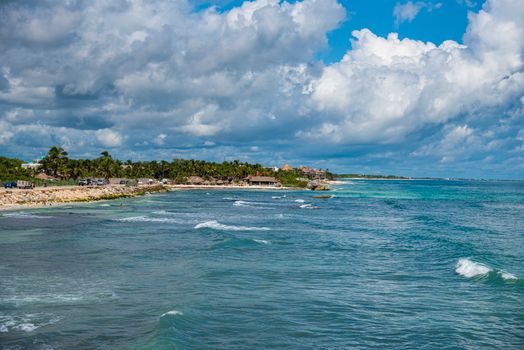
Mexico offers diverse mild-weather regions along both coasts, from Puerto Vallarta and Mazatlán on the Pacific to the Yucatán Peninsula's Caribbean coast. Cities like Ajijic, San Miguel de Allende, and Mérida maintain comfortable temperatures year-round while offering established expat communities and quality healthcare.
Healthcare Infrastructure
Mexico's private healthcare system provides excellent value, with top-tier hospitals like Hospital Ángeles and Christus Muguerza offering international accreditation. Many doctors trained in the US, and English is widely spoken in expat-concentrated areas.
Annual health insurance through major Mexican providers (GNP, Seguros Monterrey) costs $2,000–$4,000 for comprehensive coverage including pre-existing conditions. Routine procedures cost 60–80% less than US equivalents while maintaining comparable quality in major medical centers.
Visa Pathways and Residency
Mexico's Temporary Resident visa requires approximately $2,700 monthly income or $45,000 in savings. After four years, residents can apply for Permanent Residency, which eliminates income requirements and allows unrestricted work authorization.
The visa process typically takes 2–3 months, with initial application at Mexican consulates in the US. Unlike European programs, Mexico doesn't require physical presence minimums for visa renewal, though tax residency considerations apply for stays exceeding 183 days annually.
Cost of living varies significantly by location. Beach towns like Puerto Vallarta and Playa del Carmen require $2,500–$3,500 monthly for comfortable living, while inland cities like Mérida and San Miguel de Allende offer similar lifestyles for $1,800–$2,800 monthly.
Costa Rica: Central Valley and Coastal Stability

Costa Rica's Central Valley, including San José, Escazú, and surrounding areas, maintains temperatures between 70–80°F year-round due to its elevation and tropical location. The country abolished its military in 1948, redirecting funds toward healthcare and education, resulting in one of Latin America's most developed healthcare systems.
Healthcare Quality and Accessibility
The Caja Costarricense de Seguro Social (CCSS) provides universal healthcare to residents, while private hospitals like Hospital Clínica Bíblica and Hospital CIMA offer international standards with English-speaking staff. Private insurance costs $150–$300 monthly depending on age and coverage levels.
Costa Rica consistently ranks among the world's happiest countries, partly due to healthcare accessibility and environmental quality. The country's "Blue Zone" designation for longevity reflects lifestyle factors and healthcare quality.
Pensionado and Rentista Programs
The Pensionado program requires $1,000 monthly pension income from government or private sources. Rentista status requires $2,500 monthly income from investments or other passive sources. Both programs lead to permanent residency after three years.
Processing times average 12–18 months. However, the country's political stability, dollarized economy in practice, and established expat infrastructure provide long-term security often missing elsewhere.
Living costs in the Central Valley range from $1,500–$2,500 monthly for couples, with coastal areas commanding premiums of 20–30%. The country's commitment to environmental protection ensures long-term climate stability but limits development in some desirable coastal areas.
Panama: Year-Round Spring in the Interior
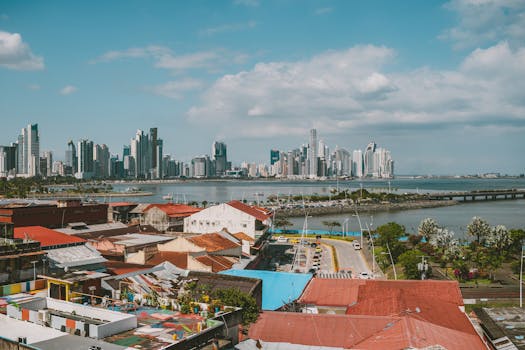
Panama's interior regions, particularly Boquete and El Valle, offer consistently springlike conditions due to elevation and geographic positioning. These areas maintain temperatures between 65–80°F year-round with minimal humidity compared to coastal regions.
Pensionado Benefits Program
Panama's Pensionado program requires just $1,000 monthly pension income and offers substantial benefits including healthcare discounts, tax exemptions, and reduced utility rates. The program extends these benefits to dependents and provides clear paths to permanent residency.
Healthcare quality varies significantly by region. Panama City offers excellent private hospitals like Hospital Punta Pacifica (Johns Hopkins affiliate) and Hospital Nacional, while interior towns rely more heavily on public facilities supplemented by private clinics.
Strategic Location and Banking
Panama uses the US dollar, eliminating currency risk, while its banking sector offers international services familiar to American expats. The country's geographic position provides easy access to both North and South America, with direct flights to major US cities.
Living costs in highland communities like Boquete range from $1,200–$2,000 monthly for individuals, significantly lower than coastal alternatives. The trade-off involves smaller expat communities and limited cultural amenities compared to larger cities.
New Zealand: Temperate Perfection with High Costs

New Zealand's North Island, particularly Auckland and Bay of Plenty regions, offers exceptionally mild weather with temperatures rarely exceeding 75°F or dropping below 50°F. The country's geographic isolation creates unique microclimates ideal for year-round outdoor activities.
World-Class Healthcare with Accessibility Challenges
New Zealand's healthcare system ranks among the world's best, though public system waiting times can extend several months for non-urgent procedures. Private healthcare insurance costs NZ$2,000–$4,000 annually ($1,200–$2,400 USD) and significantly reduces wait times.
The country's Accident Compensation Corporation (ACC) covers injury-related healthcare for all residents regardless of fault, a unique feature providing additional security for active retirees.
Visa Challenges and High Costs
New Zealand severely restricts retirement immigration, with most Americans accessing residency through investment ($3+ million NZD), skilled employment, or family connections. Parent Category visas require adult children who are citizens or residents, with strict income requirements.
Living costs rank among the world's highest, with comfortable retirement requiring NZ$4,000–$6,000 monthly ($2,400–$3,600 USD) in major cities. Housing costs alone average NZ$2,000–$3,500 monthly for quality accommodation.
Chile: Central Valley Mediterranean Climate
Chile's Central Valley region, centered around Santiago and extending to coastal Valparaíso, enjoys a Mediterranean climate with dry summers and mild winters. Temperatures rarely exceed 85°F or drop below 45°F, creating ideal conditions for outdoor activities year-round.
Healthcare System and Quality
Chile's mixed public-private healthcare system offers excellent quality in private facilities, with many doctors trained internationally. Private insurance (Isapre) costs $200–$400 monthly and provides access to top-tier facilities in Santiago and other major cities.
The country's healthcare infrastructure ranks highest in Latin America with particular strength in preventive care and chronic disease management.
Retirement and Investment Visas
Chile's retirement visa requires approximately $1,500 monthly pension income, while the investor visa requires $200,000+ investment in Chilean assets. Both programs offer paths to permanent residency after five years.
Political stability and strong institutions provide long-term security, though recent social unrest highlighted inequality issues. The country's economic development and infrastructure quality exceed most Latin American alternatives.
Cost of living in Santiago ranges from $2,000–$3,200 monthly for comfortable retirement, with coastal areas offering slight premiums. The country's wine regions provide attractive rural alternatives with lower costs and exceptional quality of life.
Uruguay: Río de la Plata Stability
Uruguay's coastal region enjoys temperate conditions year-round, though with more seasonal variation than other options. Montevideo and surrounding areas rarely exceed 80°F or drop below 50°F, creating comfortable conditions for most Americans.
Healthcare and Political Stability
Uruguay's healthcare system offers universal coverage with high quality standards. Private insurance costs $100–$200 monthly and provides excellent value compared to US alternatives. The country consistently ranks as Latin America's most politically stable democracy.
Social attitudes align closely with North American and European values, making cultural adaptation easier for American expats. The country's progressive policies and social tolerance create comfortable environments for diverse expat communities.
Residency Requirements and Costs
Uruguay's residency process requires minimal income documentation compared to other countries, with emphasis on clean criminal records and intention to reside permanently. The process typically takes 6–12 months with straightforward requirements.
Living costs range from $1,500–$2,500 monthly for individuals, with Montevideo commanding premium pricing compared to smaller coastal cities. The country's small size and limited flights to the US create logistical challenges for maintaining US connections.
Explore detailed cost breakdowns for each country: Our Explorer Plan provides interactive cost calculators, healthcare quality comparisons, and visa requirement timelines for all eight destinations. Start your 30-day trial for just $5.
Healthcare Infrastructure: A Critical Comparison
Healthcare quality varies dramatically among these eight countries, directly impacting long-term livability for retirees. Portugal and Spain offer European Union healthcare standards with English-language accessibility in major cities. Both countries provide reciprocal healthcare agreements with other EU nations, valuable for expats who travel within Europe.
Mexico's private healthcare sector delivers excellent quality in major cities, with many facilities holding international accreditation. Quality drops significantly in rural areas, requiring careful location selection. Costa Rica's universal system provides basic coverage to residents, while private facilities match international standards.
Chile and Uruguay offer the highest healthcare quality in South America, though specialist availability may be limited compared to European alternatives. Panama's healthcare infrastructure concentrates in Panama City, with limited options in popular expat destinations like Boquete.
New Zealand provides world-class healthcare with challenging access requirements, while the country's isolation creates unique medical evacuation considerations for serious conditions requiring specialized treatment.
Prescription Medication Access
Medication availability and costs vary significantly. European Union countries (Portugal, Spain) provide easy access to most US medications or equivalent alternatives through regulated pharmacy networks. Costs typically run 60–80% below US levels with insurance coverage.
Mexico offers the most cost-effective prescription access, with many medications available without prescriptions and costs often 70–90% below US levels. Quality control meets international standards for major pharmaceutical manufacturers.
Central and South American countries may have limited availability of newer medications, requiring coordination with US doctors for complex treatment regimens. Uruguay and Chile offer the most reliable access in their regions, while Costa Rica and Panama may require medical tourism for specialized medications.
Tax Residency and International Planning
Tax implications significantly impact the real cost of living in mild-weather destinations. Portugal's Non-Habitual Resident program offers substantial tax advantages for qualifying retirees, though recent reforms limit benefits for high-income individuals. Spain's regional tax variations create opportunities for optimization, particularly in communities like Madrid and Andalusia.
Mexico doesn't tax foreign-source retirement income for temporary residents, making it attractive for Social Security and pension recipients. Permanent residents face Mexican tax obligations on global income. The US-Mexico tax treaty prevents double taxation but requires careful planning.
Costa Rica taxes worldwide income for residents but excludes most foreign pensions and Social Security. Panama offers additional advantages through its territorial tax system, taxing only Panama-source income for residents. These policies make Panama particularly attractive for retirees with significant investment income.
Chile and Uruguay maintain territorial tax systems with favorable treatment for foreign retirees. New Zealand subjects residents to tax on worldwide income with limited exemptions, reducing its financial attractiveness despite quality of life advantages.
Social Security and Medicare Considerations
Social Security benefits continue for American expats in all eight countries, though Medicare coverage ceases upon leaving the United States. Portugal and Spain offer the most comprehensive healthcare alternatives through their public systems and affordable private insurance.
Mexico provides excellent healthcare value for Social Security recipients, with many expats finding private insurance plus out-of-pocket costs significantly lower than Medicare supplement premiums. The country's proximity to the US facilitates medical tourism for complex procedures.
Central and South American countries require careful healthcare budgeting, as insurance options may exclude pre-existing conditions or provide limited coverage. Uruguay offers the most comprehensive healthcare access in South America, while Chile provides excellent quality with higher costs.
Making Your Decision: Climate vs. Complete Picture
Mild weather represents just one variable in sustainable international living. The most successful expat relocations balance climate preferences with healthcare accessibility, visa stability, tax efficiency, and cultural fit. Each of these eight countries excels in different areas while presenting unique challenges.
Portugal and Spain offer the strongest combination of climate, healthcare, and visa accessibility for most American retirees, though recent policy changes require careful timing. Mexico provides exceptional value and accessibility but requires location research to ensure healthcare quality.
Costa Rica and Panama appeal to those prioritizing political stability and environmental quality while accepting higher costs or limited amenities. Chile and Uruguay offer the best infrastructure in South America but with visa complexity and distance considerations.
New Zealand delivers unmatched quality of life for those who can access its restrictive visa programs and afford its high costs. The country's isolation appeals to some expats while deterring others concerned about family connections and medical emergencies.
Planning Your Relocation Timeline
Successful relocation to mild-weather countries requires 12–24 months of preparation, starting with visa research and financial planning. Begin by assessing your healthcare needs, preferred climate specifics, and financial resources available for international living.
Visit potential destinations during different seasons to experience actual weather conditions rather than relying on averages. Many expats find winter temperatures in "mild" climates uncomfortably cool without proper heating infrastructure. Summer humidity levels also vary significantly among these eight options.
Consider healthcare needs carefully, including prescription medication access, specialist availability, and emergency medical evacuation insurance. Countries with excellent routine care may lack specialized services for complex conditions, requiring medical tourism or return to the US.
Financial planning should include currency exchange risks, international tax obligations, and healthcare cost projections. Many expats
Related reading:
- Updated for 2026-05-24: 4 Best Asian Destinations for Affordable
- Updated for 2026-04-27: 8 Budget-Friendly Pacific Islands to
- Updated for 2026-05-25: Single mothers living abroad or aspiring
Get the weekly expat brief
Country updates, visa changes, and cost-of-living shifts — straight to your inbox.
No spam. Unsubscribe anytime.